There is a particular kind of “lost” that doesn’t come from personal collapse.
Nothing dramatic has fallen apart. You may still be managing your responsibilities. You show up. You care deeply. You carry what needs carrying. From the outside, your life might even appear stable.
And yet something feels unsettled.
At the same time, the wider world has felt anything but steady in recent years. Narratives constantly shift. Trust in institutions has eroded. Information overload is relentless. The collective atmosphere carries a low hum of uncertainty.
Even if your personal life is intact, your nervous system has been living inside prolonged instability.
That matters.
Because when the external environment feels unpredictable, it quietly pulls your attention outward. You scan more. You monitor more. You try to make sense of what feels unsafe or uncertain.
And the longer your focus stays external, the further you drift from your own centre.
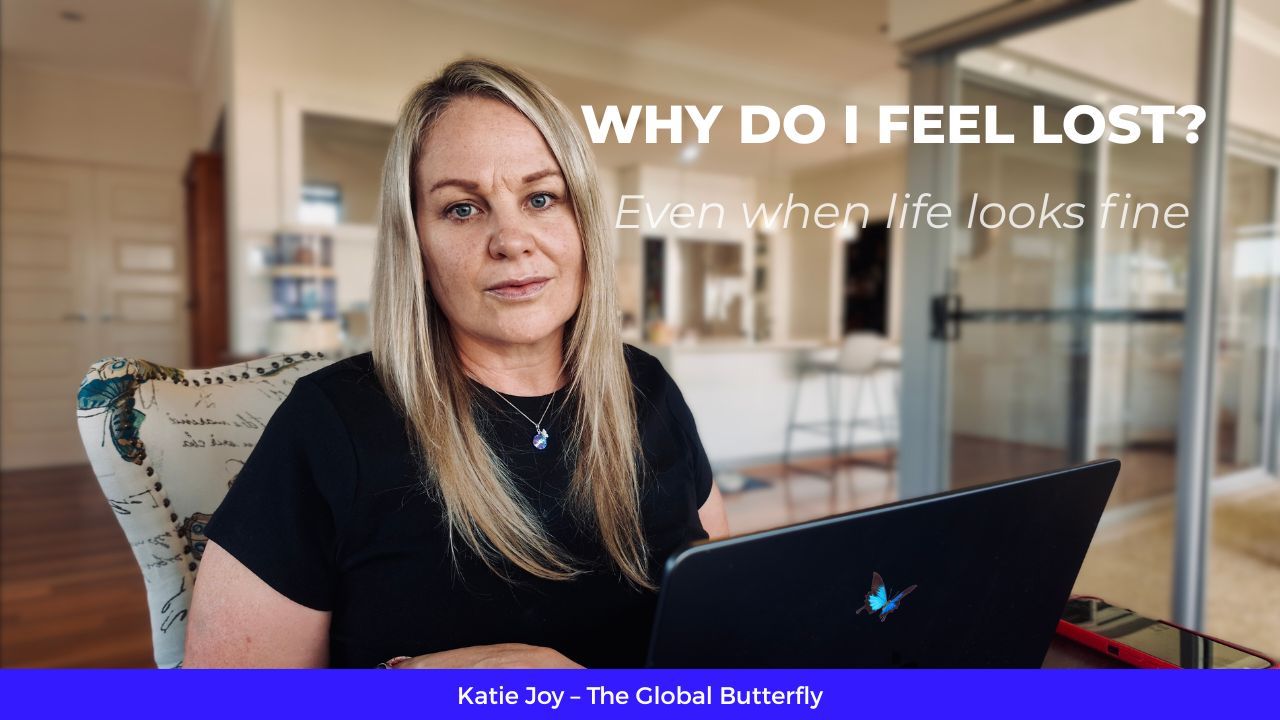
So when you ask yourself, Why do I feel lost in life even though everything looks fine? — the answer may not be about failure.
It may be about miscalibration.
When the World Feels Unstable, Internal Drift Increases
Many people right now are waking up to two things at once.
Externally, the world feels volatile.
Internally, their own life no longer fits.
They can’t keep doing what they’ve been doing. Something feels off. Old ways of living, working, relating, or striving don’t land the same way anymore.
But here’s the complication.
When the outside world feels unstable, it becomes scarier to change anything inside your own life. Risk feels amplified. Uncertainty feels dangerous. Even small internal shifts can feel unsafe.
So you stay where you are.
You cope.
You function.
You carry on.
And beneath that, you feel lost.
Not because you lack intelligence. Not because you’re incapable. But because your system is overloaded and your attention has been pulled away from your own inner compass for too long.
This Is Often a Stabilisation Issue — Not a Clarity Issue
When people feel lost, they often assume they need answers.
A new plan.
A big decision.
A dramatic change.
But most of the time, clarity isn’t what’s missing.
Steadiness is.
When your nervous system has had very little opportunity to settle — personally and collectively — you disconnect from your own signals. You can still function. You can still perform. But you are no longer fully anchored to what feels true for you.
This is why your life can look fine externally and feel confusing internally.
It isn’t that you need to reinvent everything.
You need to recalibrate.
The Quiet Self-Abandonment That Follows Prolonged Uncertainty
When the environment feels unstable, many caring, responsible adults respond by becoming more accommodating.
You make yourself smaller to keep peace.
You override discomfort to avoid conflict.
You prioritise security over alignment.
You postpone what feels true because the timing never feels safe.
These are understandable adaptations.
But repeated over time, they create subtle self-abandonment.
You don’t even notice it happening. You simply become very good at coping.
And coping without anchoring eventually feels hollow.
That hollow feeling is often what people call “lost.”
Recalibrating in an Uncertain World
Before making any major life decisions, begin here.
Pause.
Not to analyse everything. Not to solve the future. Just to stabilise your system.
Sit somewhere quiet. Place one hand on your chest and one on your lower abdomen. Take five slow breaths, allowing your exhale to lengthen slightly.
Then ask yourself, gently:
What feels unsettled right now?
Don’t search for the “right” answer. Just notice what surfaces.
Then ask:
What would feel steady — not urgent?
In a world that pulls you toward urgency, this question restores agency.
You are not denying external instability.
You are choosing where to root.
Clarity tends to follow steadiness. Not the other way around.
Maybe You’re Not Lost — Maybe You’re Reorienting
Sometimes feeling lost is not a breakdown.
It’s a reorientation.
You may be outgrowing patterns that once kept you safe. You may be waking up to the fact that your old calibration no longer matches who you are becoming.
External chaos can amplify that awareness. It can make change feel dangerous. It can make staying the same feel suffocating.
Both can exist at once.
The real skill is not eliminating uncertainty from the world. It’s strengthening your capacity to recalibrate within it.
That capacity rebuilds self-trust. It restores personal power. It allows you to move toward what feels true without waiting for the world to become stable first.
If This Resonates
If you’ve been feeling quietly unsettled — not because your life collapsed, but because something deeper no longer fits — there is nothing wrong with you.
You are likely not lost.
You are recalibrating.
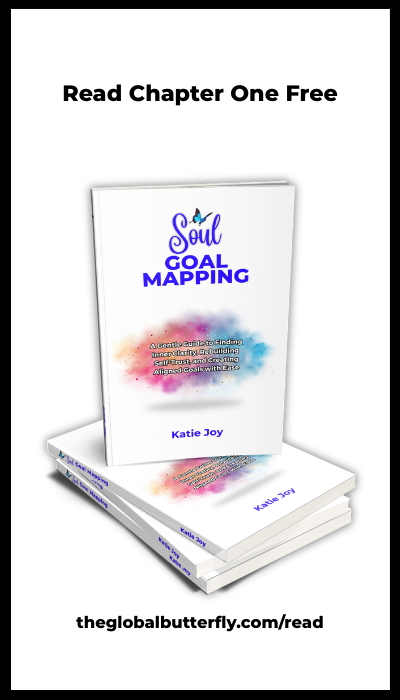
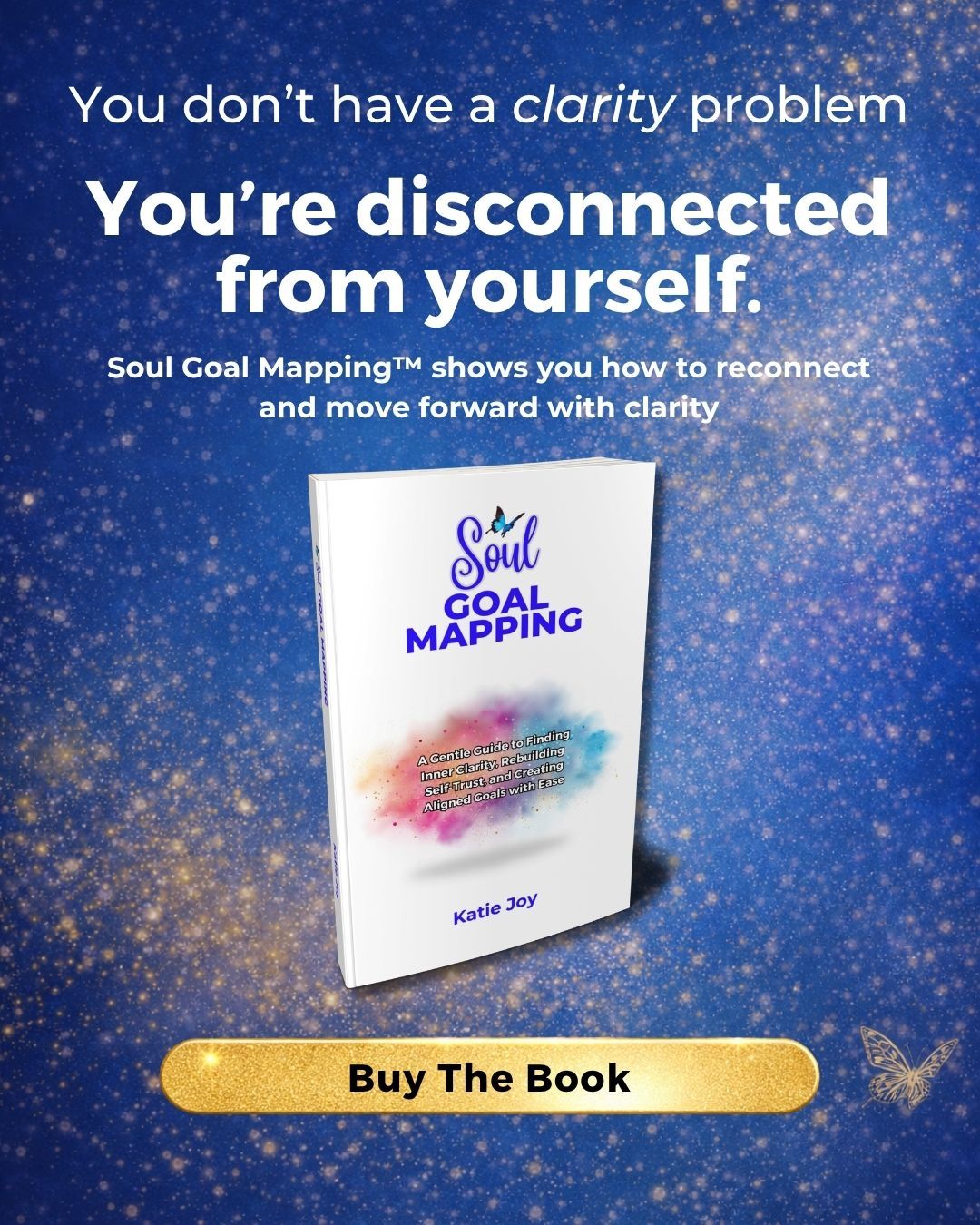
My book Soul Goal Mapping™ explores this process in depth — how to stabilise internally before making external changes, especially in times of uncertainty. It offers a structured way to return to yourself so that your next decisions come from steadiness rather than fear.
Because when you anchor inward, the world may still be uncertain — but you are not.
And that changes how you move through everything. ❤️
Begin with Soul Goal Mapping Chapter ONE – now – here: https://www.theglobalbutterfly.com/read